

In the 21st century, the integration of tech in healthcare has transformed the way medical professionals diagnose, treat, and monitor patients. From wearable devices to artificial intelligence, technology is not only improving patient outcomes but also increasing efficiency in hospitals and clinics. The role of tech in healthcare has grown beyond mere convenience; it has become essential for delivering high-quality, personalized care.
One of the most significant areas where tech in healthcare is making a difference is in patient diagnostics. Advanced imaging technologies such as MRI, CT scans, and even portable ultrasound devices have enhanced physicians’ ability to detect diseases earlier and more accurately. Furthermore, AI algorithms are now capable of analyzing medical images faster and with greater precision than traditional methods, allowing doctors to make informed decisions quickly. This combination of hardware and software demonstrates the power of tech in healthcare to save lives.
Electronic Health Records (EHRs) are another critical aspect of tech in healthcare. These digital records have replaced paper charts, making it easier for doctors, nurses, and specialists to access a patient’s history in real-time. With EHRs, healthcare providers can track medications, lab results, and previous treatments efficiently. This not only reduces the risk of errors but also enhances collaboration between medical teams. As a result, patients receive more coordinated care, illustrating the transformative role of tech in healthcare in modern medicine.
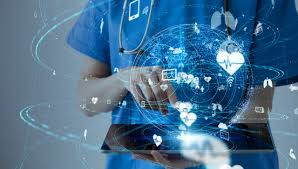
Telemedicine has also emerged as a revolutionary application of tech in healthcare. Through video consultations and remote monitoring, patients can receive medical advice without leaving their homes. This is particularly beneficial for individuals in rural or underserved areas who may not have easy access to healthcare facilities. Telemedicine platforms rely heavily on advanced tech in healthcare, including secure data transmission, video streaming, and patient monitoring systems. The rise of telehealth services highlights how technology can bridge gaps in healthcare accessibility.
Wearable devices and mobile health applications are additional innovations contributing to the growth of tech in healthcare. Devices like smartwatches can track heart rate, sleep patterns, and physical activity, providing valuable data to both patients and doctors. Mobile apps allow users to monitor chronic conditions, schedule appointments, and receive reminders for medications. These tools empower patients to take control of their health, promoting preventive care while leveraging the potential of tech in healthcare to improve overall well-being.
Artificial intelligence (AI) and machine learning are at the forefront of technological advancements in medicine. AI systems can analyze vast datasets to identify patterns, predict disease outbreaks, and suggest treatment options. For instance, AI-driven diagnostic tools can flag early signs of cancer or cardiovascular disease, enabling timely interventions. Machine learning algorithms also optimize hospital workflows, reducing patient wait times and resource wastage. These developments underscore the profound influence of tech in healthcare on both clinical and administrative aspects of medical practice.
Another promising area is robotics, which is reshaping surgical procedures and patient care. Robotic-assisted surgery allows for minimally invasive operations with greater precision and faster recovery times. In addition, robots can assist in repetitive tasks like medication delivery, sanitation, and patient mobility support. The integration of robotics in hospitals reflects the growing importance of tech in healthcare to enhance efficiency, reduce human error, and improve patient outcomes.
The role of tech in healthcare extends to pharmaceutical research and drug development as well. Advanced computing and simulation technologies enable researchers to model the effects of drugs before clinical trials, accelerating the development process and reducing costs. Big data analytics helps identify potential therapeutic targets and optimize clinical trial designs. This integration of technology into research is not only speeding up innovation but also making treatments safer and more effective.
Moreover, cybersecurity has become a critical concern in the age of tech in healthcare. With sensitive patient data being stored and transmitted digitally, protecting this information from breaches is essential. Healthcare institutions are investing in advanced encryption, secure cloud services, and multi-factor authentication to safeguard patient records. Ensuring robust cybersecurity measures demonstrates the responsibility that comes with adopting tech in healthcare solutions.
Education and training have also benefited from technological advancements. Virtual reality (VR) and augmented reality (AR) simulations allow medical students and professionals to practice surgeries, learn anatomy, and understand complex medical procedures in a safe, controlled environment. These immersive experiences enhance learning outcomes and highlight how tech in healthcare is shaping the next generation of medical professionals.
Finally, predictive analytics is becoming an indispensable tool in healthcare management. By analyzing patient data, hospital administrators can anticipate admission rates, optimize staffing, and allocate resources effectively. Predictive models can also help identify at-risk populations, guiding preventive interventions and public health initiatives. This strategic use of tech in healthcare demonstrates its potential to improve not only individual patient care but also the overall efficiency of healthcare systems.
In conclusion, tech in healthcare is redefining the boundaries of modern medicine. From diagnostics and treatment to administration and research, technological innovations are enhancing patient outcomes, reducing costs, and making healthcare more accessible. As AI, robotics, wearable devices, and telemedicine continue to evolve, the future of healthcare promises even greater integration of technology into everyday medical practice. Embracing tech in healthcare is no longer optional; it is a necessity for creating a more efficient, effective, and patient-centered healthcare system.
The transformative power of tech in healthcare is undeniable, and its continued advancement will shape the way medical professionals diagnose, treat, and care for patients for years to come. By leveraging technology responsibly and innovatively, healthcare systems around the world can achieve unprecedented levels of precision, efficiency, and compassion.